
How to Choose the Best Balance Bike – woom 1 vs. Strider vs. Hornit AIRO

Once my kids started walking, it felt like I was urged by neighbors and family to get them on a balance bike. When I was ready to give the balance bike a try, I quickly realized that there were too many different bikes to choose from and not all were created equal.
Here is our honest review of the three different balance bikes we tried with our two children who ranged from the ages of 2-4 years: woom 1, Strider, and Hornit AIRO.
Disclosure: This post contains affiliate links. At no extra cost to you, we may receive a small commission if you book travel or make purchases using these links.

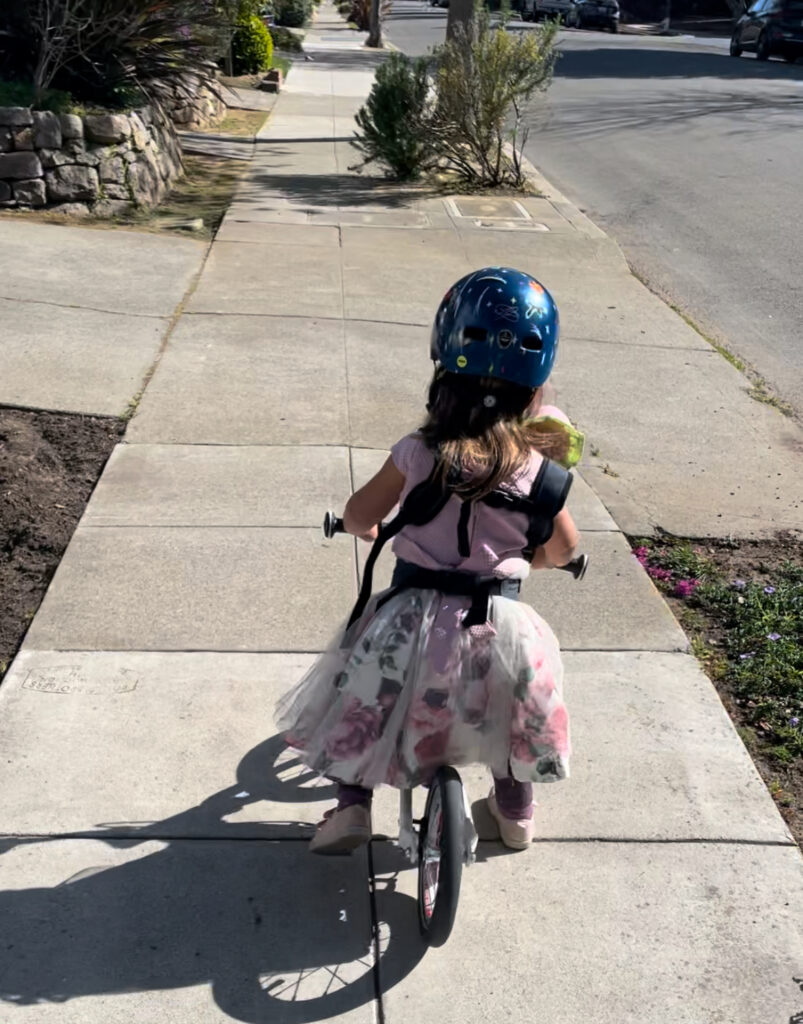
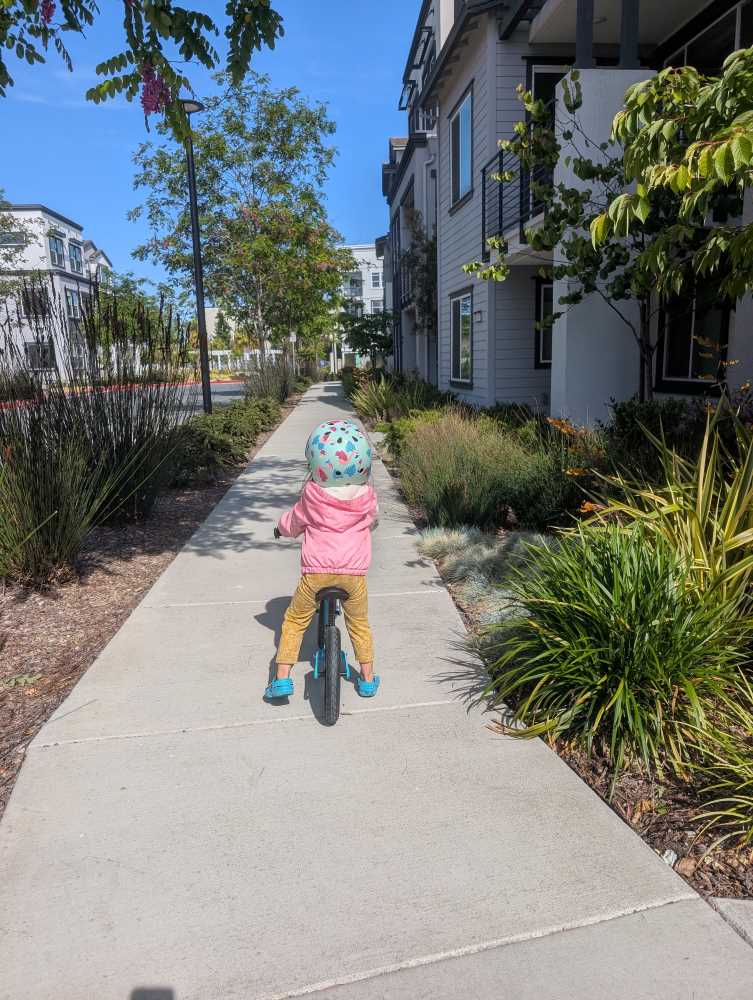
what is a balance bike?
A balance bike or pedaless bike is a bicycle designed to be ridden without pedals.
A child sits on the bike with the seat set low enough for them to touch the ground and push the bike to move it forward with their feet—Flintstone style. Their feet propel the bike forward, and when they pick up enough speed the rider can raise their legs to practice balancing while the bike is in motion.
This method of learning how to ride a bike is considered by many bike enthusiasts to be the best way to teach your kids to ride quickly because they learn the balancing skills needed to ride a pedal bike first.
Why use a balance bike instead of training wheels?
Training wheels give your child a chance to learn how to pedal while the bike weight is supported by the wheels, allowing the rider to pedal forward without having to master balancing first. Ideally the rider will eventually learn to balance without depending on the training wheels, so when the training wheels are removed they will be ready to ride on two wheels. This is how most of my generation learned to ride a bike.
If you try a balance bike first, your child learns to balance on the bike before they start pedaling. Some believe that the balance part is the trickiest element of riding a bike, and if a young rider can master that component, adding pedals to the equation will be easier.
An easier ride = happier rider. We all want our kids to be able to learn this skill quickly and as painlessly as possible. So, if you buy a balance bike instead of something with pedals, probably big enough for them to “grow into” it, your kid might have a harder time learning to ride a bike.
Many bike companies, such as Guardian Bikes and woom Bikes advertise that a child can learn to ride a bike in a day using this method and their lightweight bicycles.
Read our review of both bikes here for more information and how I taught my kiddo to ride a bike in ten minutes.
What factors to consider when choosing a balance bike for your kid
There are so many balance bikes out there. Here are the factors I considered when I shopped around:
- Size – The size of the bike and seat height is important depending on the age of your kid. Get the right size!
- Weight – It is easier to ride a bike that weighs less because it is better for balance, especially for small children. Every ounce counts.
- Hand brakes – Some balance bikes offer one hand brake to begin practicing stopping instead of using just their feet. It is a good skill to practice.
- Price – Balance bikes ain’t cheap. It’s important to weigh how much you’d be willing to spend, along with the above factors. We got our bikes used to save on cost.
Read reviews and see what works best for your kiddo. Choosing the right color can also be super helpful in getting them onboard with their new bike. Oh, and don’t forget streamers!
Testimonial
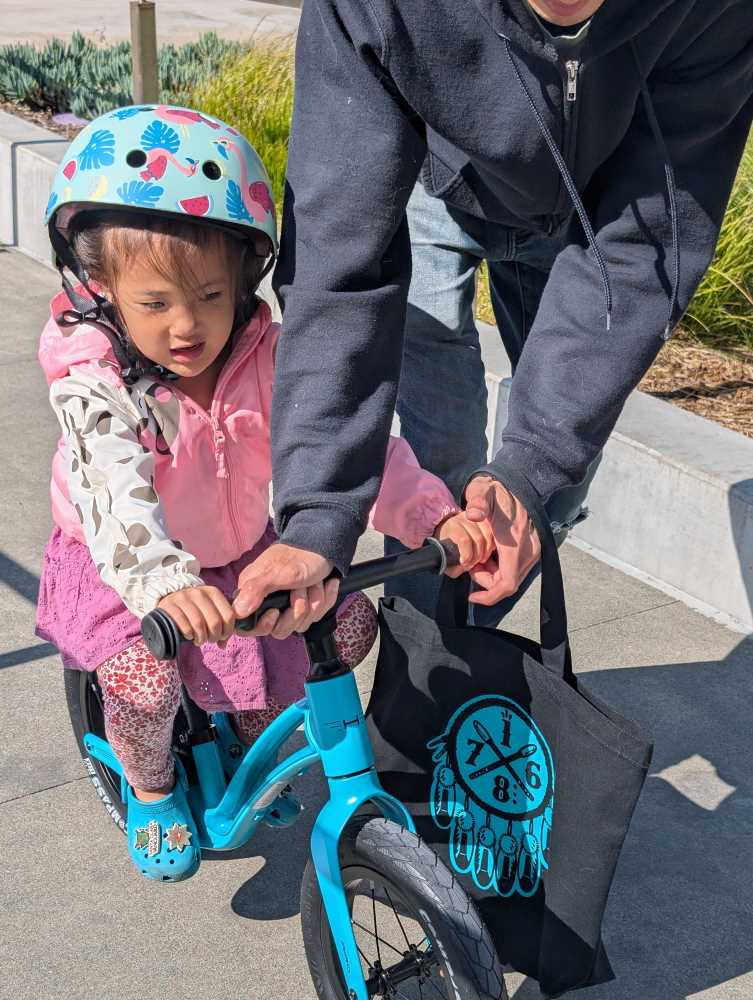
Our kid was timid at first with her balance bike. The more she practiced the easier it became for her to pick up speed. I'm not sure if it was because she was more comfortable, or because she got older, but her skill level increased quickly and she was able to use the footrests to coast.
Adrienne S.
Balance Bikes We Considered at a glance
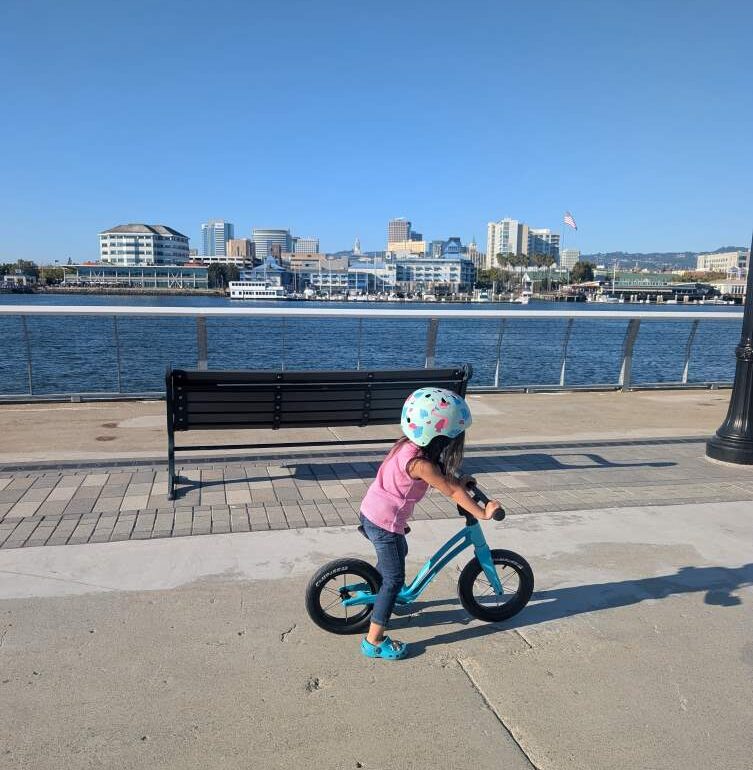
Hornit AIRO
Balance bike-
Ages 18 months to 4 years
-
Lightweight - 6.5 lbs
-
Footrest
-
Easy set up
WOOM 1
Balance bike-
Ages 18 months to 4 years
-
Lightweight - 6.6lbs
-
Rear brake
-
Seat and handlebar height lower than other balance bikes

strider
balance bike-
Ages 18 months to 5 years
-
Lightweight - 6lbs 11oz
-
Adjustable seat and taller handlebar height
Full review of balance bike contenders
Looking for the best balance bike for your little one? We’ve tested and compared the top contenders to help you find the perfect ride. From lightweight frames to adjustable seats, we break down the key features, pros, and cons of each model so you can make an informed choice.
Hornit Balance Bike
AIRO | $185
Ages 18 Months to 4 years
- pros
- footrest
- light weight
- cons
- only 12" tire option
- No rear brake
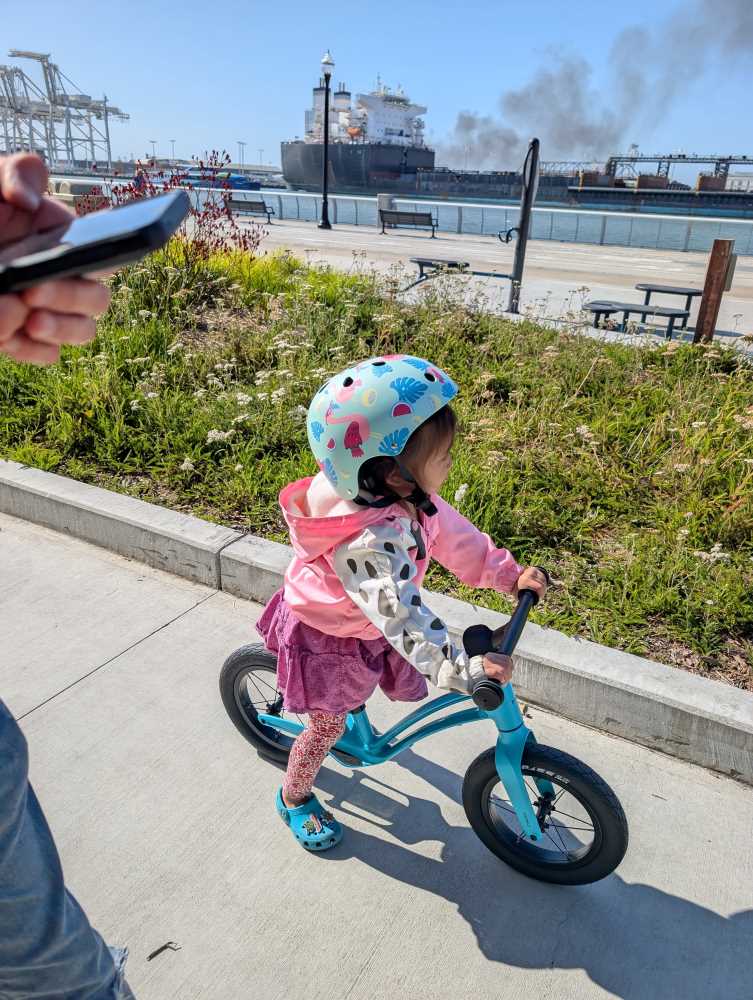
We received a Hornit AIRO balance bike as a free trial to write a review.
The bike was easy to assemble and ready to ride almost straight out of the box. Our kiddo loved the color, and could maneuver easily around our neighborhood.
The bike does not have a rear brake like the woom 1, but does have an integrated footrest to let riders cruise easily. The 12″ tire was a little small for our older toddler. See our full review here for more details.
woom 1
$249
Ages 18 Months to 4 years
- pros
- Lightweight
- Rear brake
- Great for smaller children
- cons
- Handlebar not adjustable
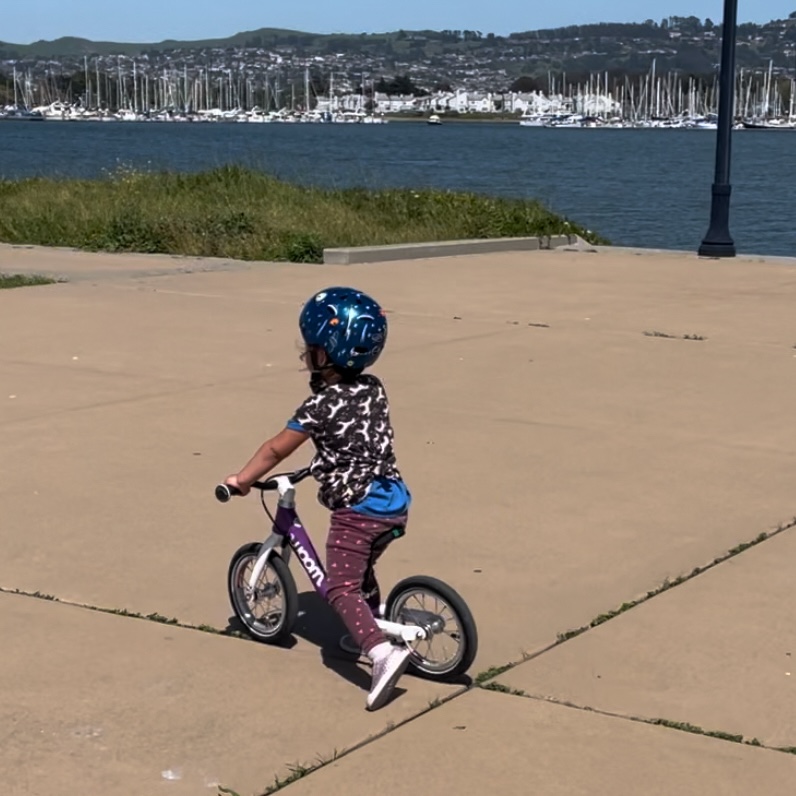
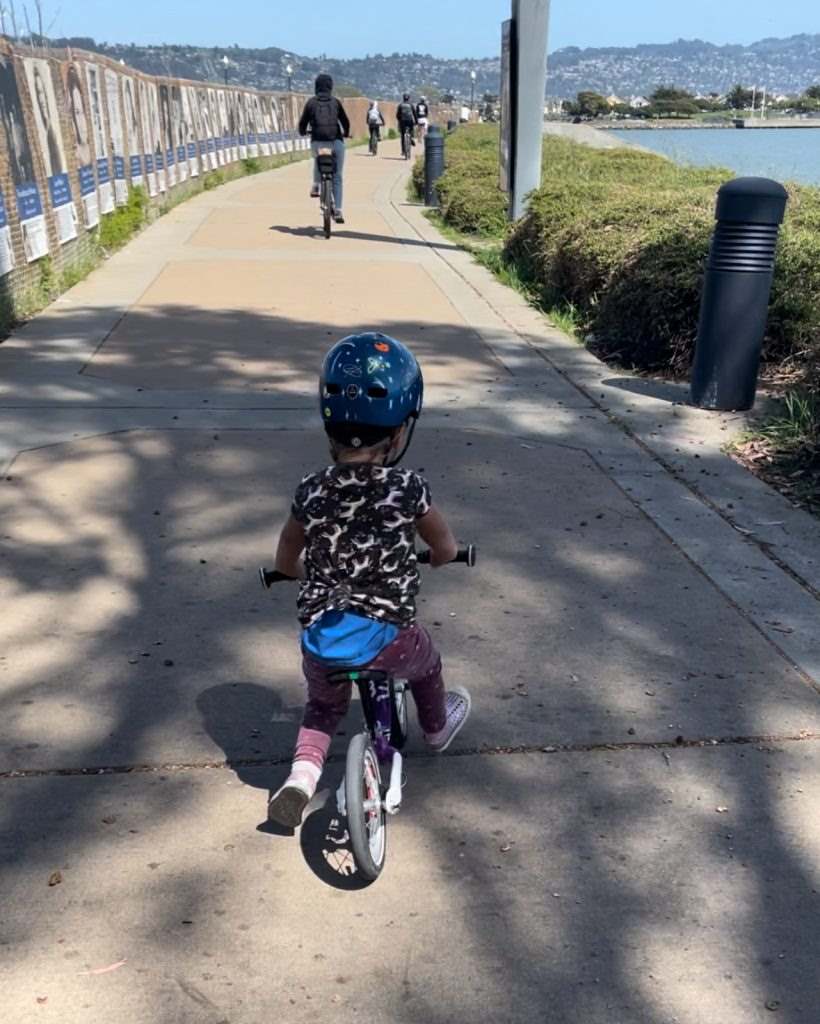
I found a used purple woom 1 to match the purple woom 3 of my older child so both kids could have the same bike!
The lightweight frame made it easier for our two- to three-year-old to ride. The bright green brake on the handlebar is a great way for kids to practice braking at an early age. A three-year-old can even do it!
My kiddo enjoyed the balance bike at age two, but grew too tall for the seat and handlebar height at age 3. I did not like that the bike was not as adjustable as other balance bikes, and that we would need to purchase the woom 1 Plus ($299) for our taller balance biker.
strider
$130
Ages 18 Months to 5 years
- pros
- Lightweight
- Adjustable seat
- Taller handlebars
- cons
- None!
We borrowed a Strider balance bike and found it to be the easiest balance bike for our three-year-old. The frame was lightweight at 6 lbs., 11 oz. and the seat was adjustable with taller handlebars so it fit our child until she was ready to move to a pedal bike.
She started riding it immediately and found balancing to be easier and more fun on this bike than others. This was our favorite bike by far.

Final thoughts
Our balance bike debate felt very much like the Goldilocks story: one bike was too small, one too light, and one was just right.
Take my word for it and get the Strider bike for your budding bike enthusiast.
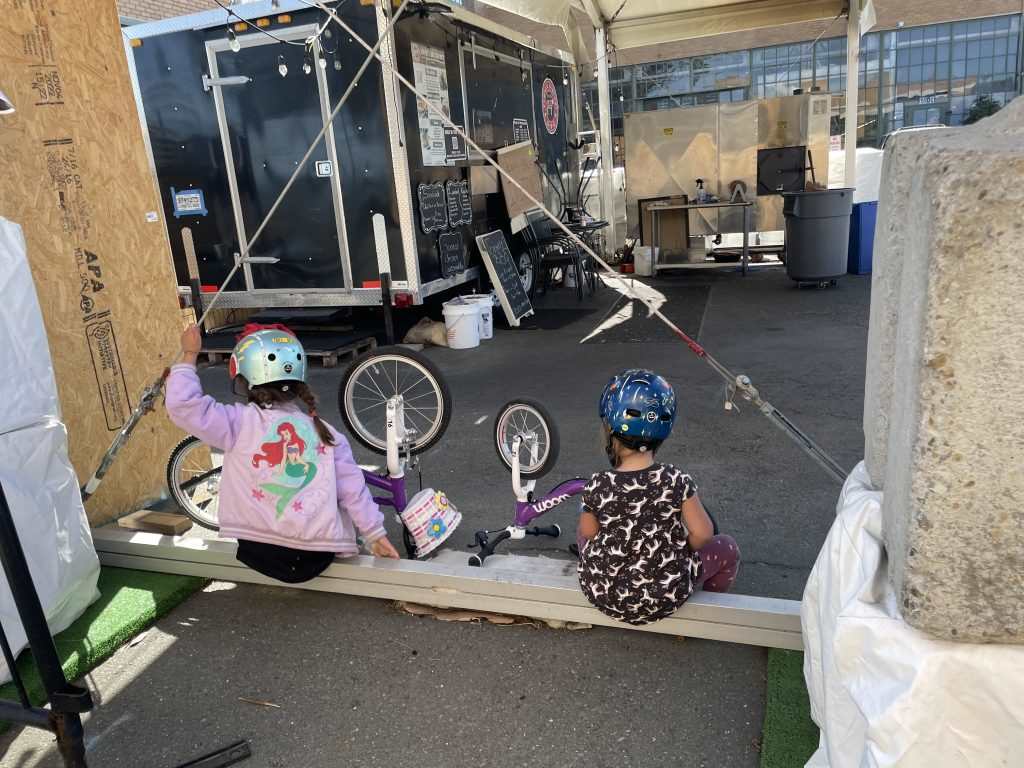
In any case, be forewarned that you might find yourself with a toddler who would rather turn their bike upside down than ride it.
I recognize the cost of a balance bike could be cost-prohibitive for some families. Guardian Bikes have similar high ratings and are cheaper. I would also suggest saving the environment (and your wallet) by finding a secondhand bike on the woom website, Craigslist, or Facebook Marketplace.
Depending on your child’s size, age, or skill-level, you could even skip the balance bike all together. Just take the pedals off a regular bike and let your new-rider try balancing on the bike before they try pedaling. If you decide to go that route, make sure to check out our woom 3 review and tips on how to teach your kiddo to ride a bike.
Happy biking!
Read on
Check out our children’s book recommendations that feature BIPOC voices to deepen our understanding of the experiences we share together at Bookshop.org.

Together We Ride
By Black author Valerie Bolling, Together We Ride is a beautiful story featuring a BIPOC dad helping his kiddo learn to ride a bike. Experience all the frustrations, joys, and excitement that comes along with learning this new skill through a lyrical story.
Looking for more?
Browse our full catalog of recommended children’s books written by BIPOC authors.