



How to Cut Down Your Own Christmas Tree from a National Forest

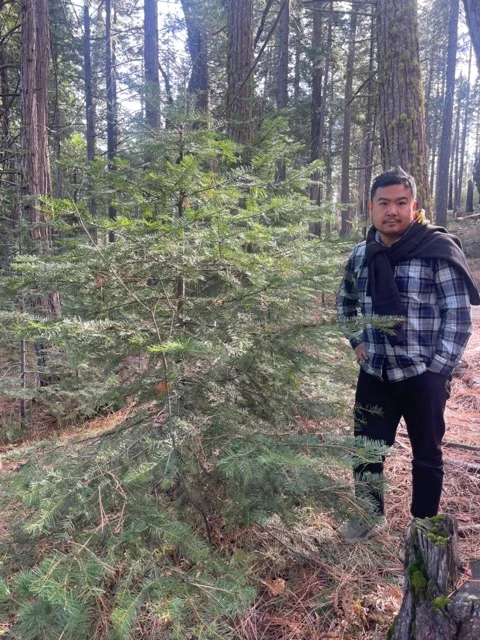
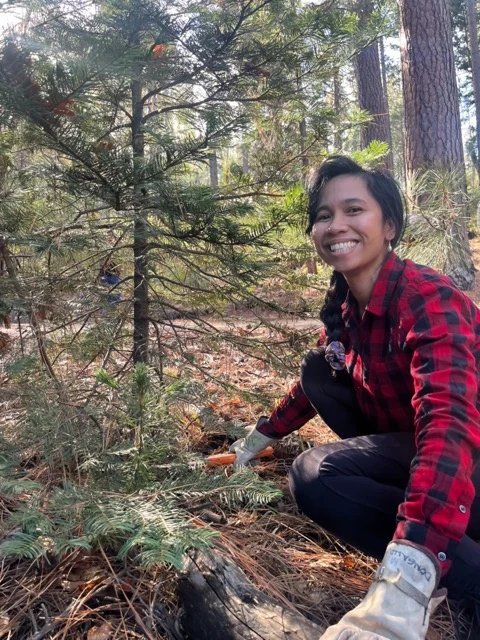
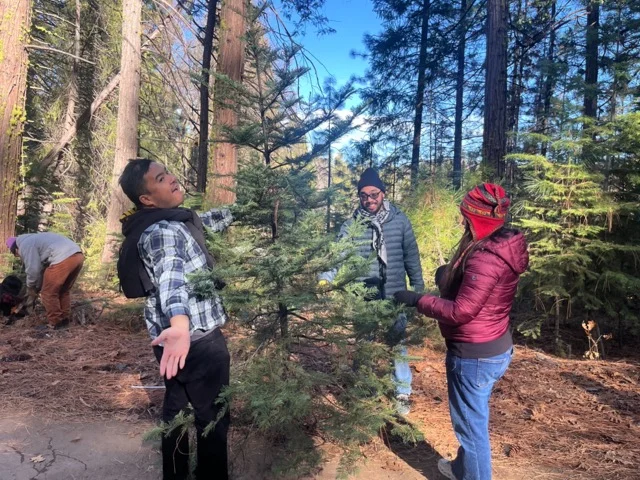
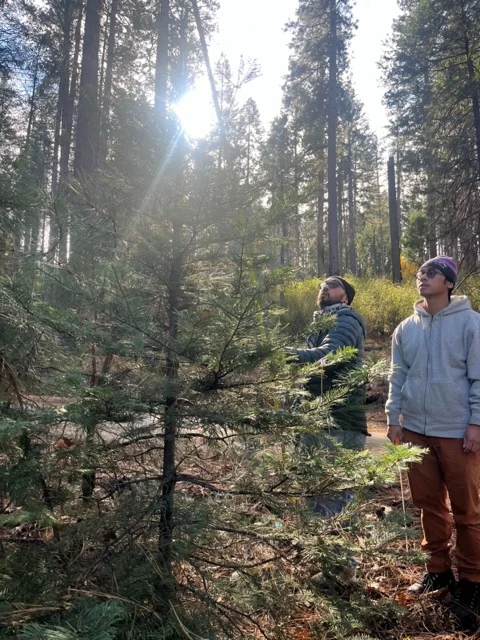
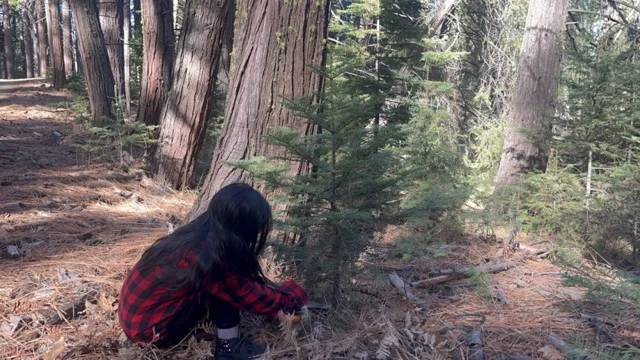
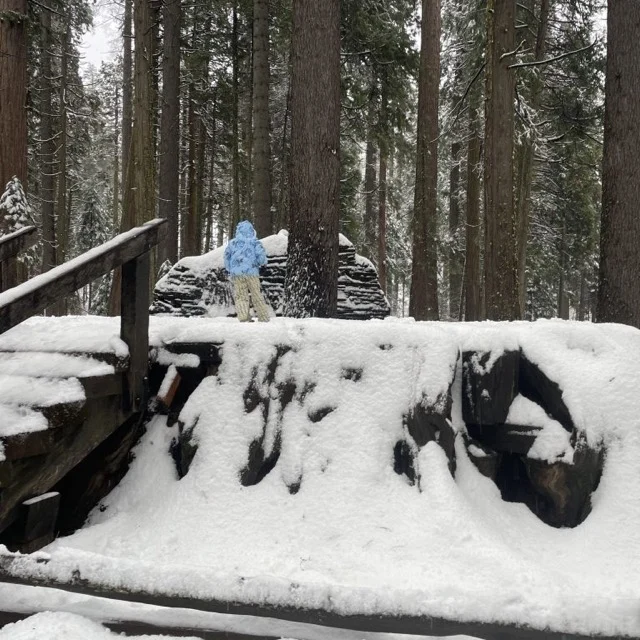
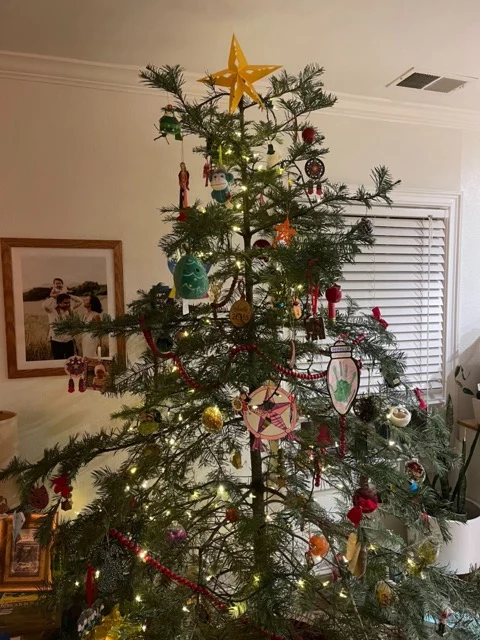
As part of our family’s Christmas celebrations, I love having a decorated tree at the center of my home. One of my favorite new winter traditions is to go with family on a tree-hunting adventure at one of the nearby National Forests. For a nominal fee (between $10-$20), you can find a fir, pine, or cedar tree in the forest, cut it down, and sling it over your shoulder to bring back home!

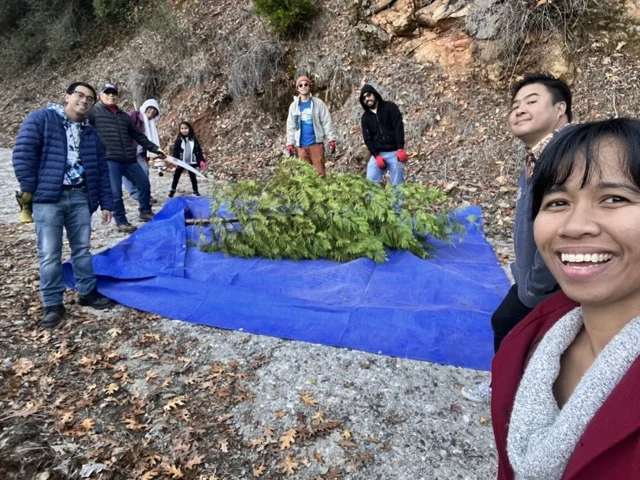
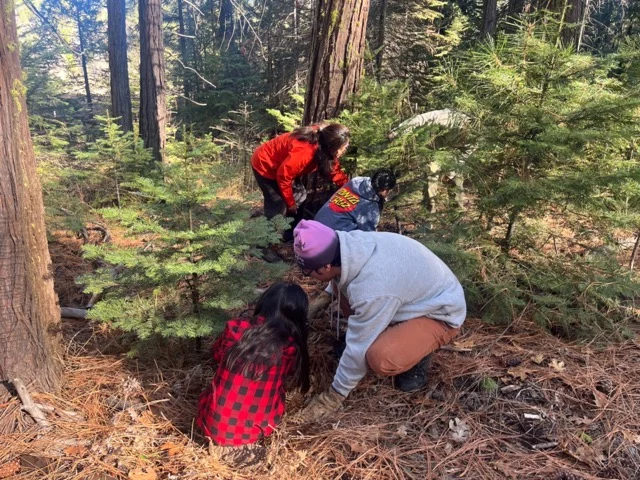
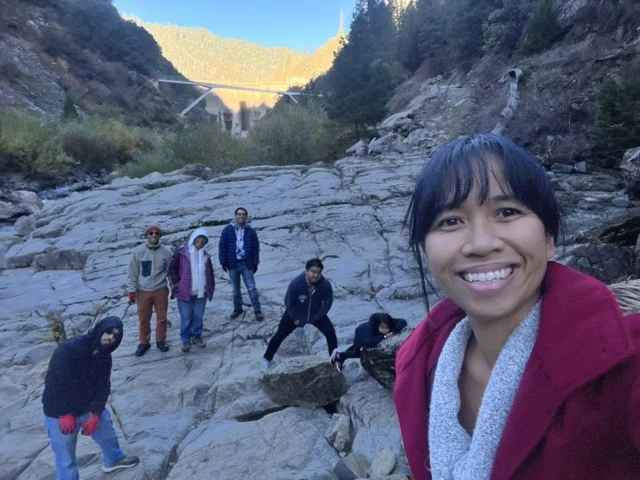
I first heard of this tip from Color Outside and for the last couple of years I’ve managed to rope my extended family into accompanying me on this now-annual tree hunt. I love it because it’s equal parts hilarious and scary; it taps into our sense of adventure and we’ve learned something new every time.

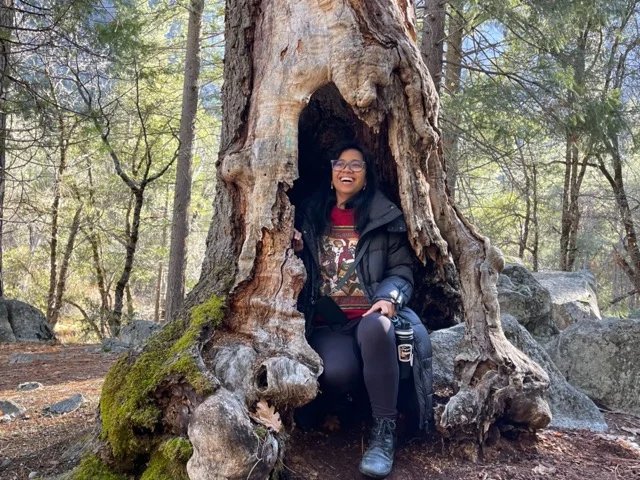
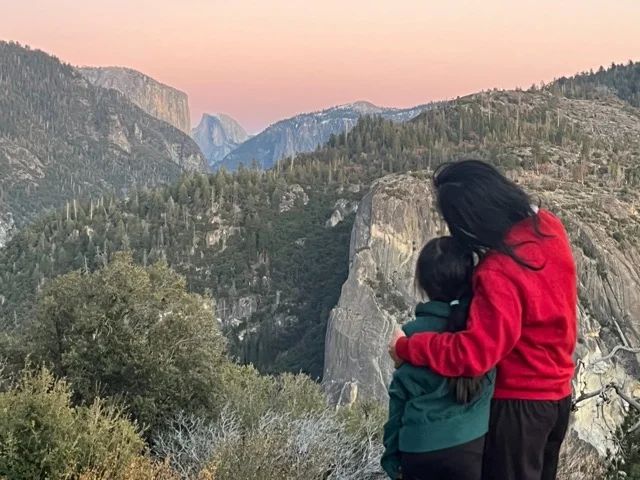
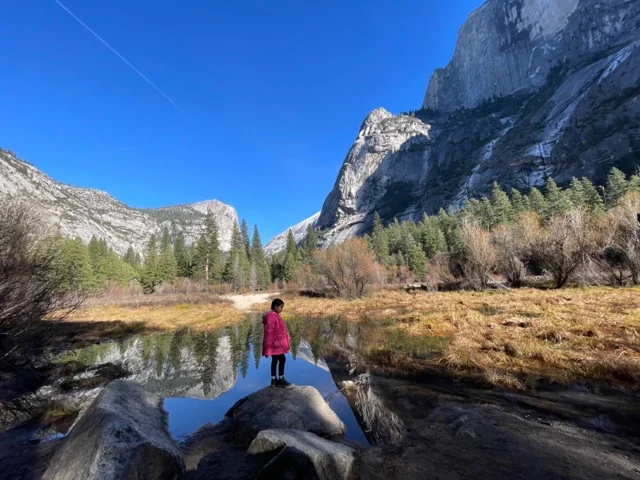
We’ve also opted to make a whole weekend out of it, visiting neighboring towns and learning about different locales. We once stayed at a winery, and another time stayed near Yosemite National Park—each trip has been its own unique adventure! Here’s how you and your family can get in on the action and bring home a tree of your own.

Disclosure: This post contains affiliate links. At no extra cost to you, we may receive a small commission if you book travel or make purchases using these links.

Why Cut Your Own Tree

It’s a great excuse for a day- or weekend-trip

You get out in nature and help with forest fire prevention

You can find a unique tree that fits your family’s tastes and needs

Practice map-reading, tree-identification, and teamwork

Our Experience

Quick Tips

When To Visit

Tree-cutting season in the National Forests usually runs from November through December.

Costs

It can be hard to know how much an influencer actually paid for a trip–the table gives readers a look into our budget and how fancy (or not) we went.

Itembase cost
Tree-cutting permit$10-$20/ tree
Gasvaries
Add-Ons
Accommodationsvaries
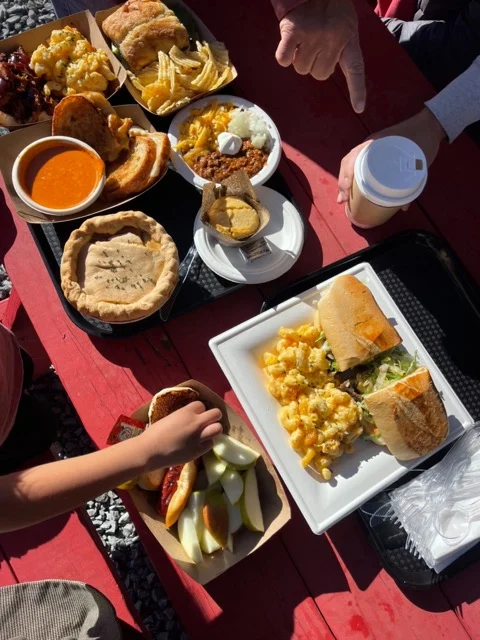
Meals and snacks$15-$20/ person
History Corner

Per recreation.gov, “Christmas Tree Permits are being offered to the public in an effort to help reduce hazardous fuel ladders that have built up over years of fire suppression. Removal of excessive amounts of small trees from the forest will help create a healthier forest over time.”

Another form of fire prevention is passed on from native wisdom. “Cultural burning” is an indigenous practice “designed to cultivate the biodiverse, sustainable growth that make landscapes more resilient,” and is now making a resurgence despite racist laws that prohibited them.

Driving through some of the barren and bleak forest lands ravaged by wildfires, I can’t help but wonder how much healthier ecosystems would be had there been more value given to ancient practices and native wisdom.

Antiracist Travel Considerations

Tips for Cutting Your Own Christmas Tree from a National Forest

Decide From Which National Forest to Acquire a Tree

This will mostly come down to geography; how far are you willing to drive to find a tree? Then, once you narrow it down to 1-2 forests, it becomes a question of what kind of tree you’re looking for, what other sites you would like to see on your trip, and when you would like to go.

For example, the nearest National Forests to the San Francisco Bay Area are Eldorado, Stanislaus, and Mendocino, all within about a 2-4 hour drive from Oakland.

I personally love fir trees, and it wasn’t until we got on the road that I realized not all forests grow the same trees. Be sure to scope out the tree-cutting areas beforehand if you can, or at least use a tool like iNaturalist to help predict the kind of trees you will likely find in a particular National Forest. You can do this by typing in the name of the National Forest, then searching within it for the tree of your choice (usually fir, pine, or cedar).

Finally, time limitations may also help you decide which forest to visit, as some forests have staggered seasons during which they allow cutting. For example, in 2026 the cutting season in Eldorado National Forest is between November 10 and December 31, whereas the Stanislaus National Forest season is only between November 27 and December 31.

Acquire a tree-cutting permit

Check when tree-cutting permits will be released for the upcoming season. Recreation.gov lists all of the National Forests that offer tree cutting permits. I checked the recreation.gov website in October and saw that permits would go on sale in early-November (or even October itself!), so I set a reminder for those dates. Try to plan ahead as permits might sell out upon their release. One year, Eldorado National Forest was sold out of tree-cutting permits by early December, whereas Mendocino National Forest was still offering plenty.

Permits can be purchased (or if free, acquired) from recreation.gov or in-person at select ranger stations. If your kiddo is in 4th grade and holds an Every Kid Outdoors pass, they get one free tree! Each National Forest will have its own permitting page on the recrreation.gov website, so be sure you’re clicking on the right page. The forests near the Bay Area charge $10-$20 per tree-cutting permit.

Read and follow all the rules

Each National Forest has its own rules for tree-cutting, including what trees may be cut, how of a tree you can take, and other special considerations. Be sure to read through all the rules for your forest of choice and follow them to a T!

Map out your tree-cutting adventure

This is where the real fun (or pain?) starts! A successful trip starts with a good plan.

On my first visit, I wish I had done more pre-planning (and done it together with my family, who were along for the adventure), so that we weren’t just following the (stressed out) leader!

I recommend looking on a terrain map and cross-checking the tree-cutting area map provided on recreation.go. You’ll want to target areas that are:

1) not too far of a hike from the road,

2) close enough of a drive from your home,

3) clearly and indisputably part of the permissible tree-cutting areas,

4) clearly and indisputably not private land, and

5) home to the kind of fir trees you’re looking for (iNaturalist is great for this!)

Tree-cutting areas may change across years, so be sure to look at the most up-to-date maps.

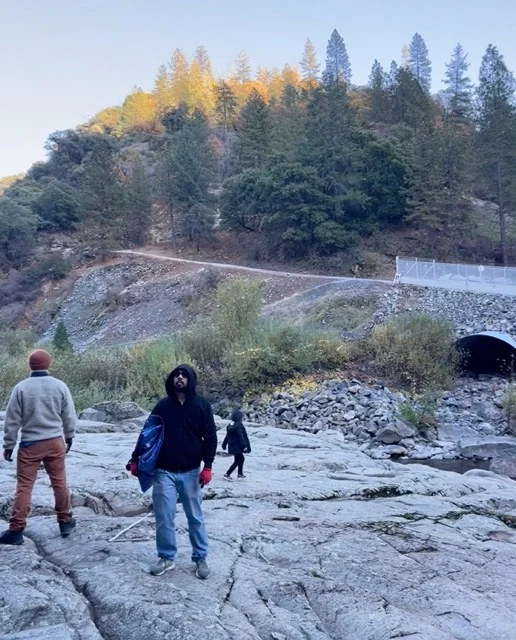
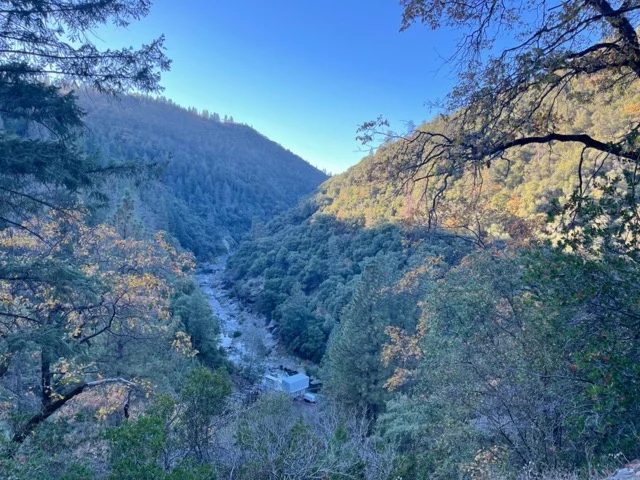
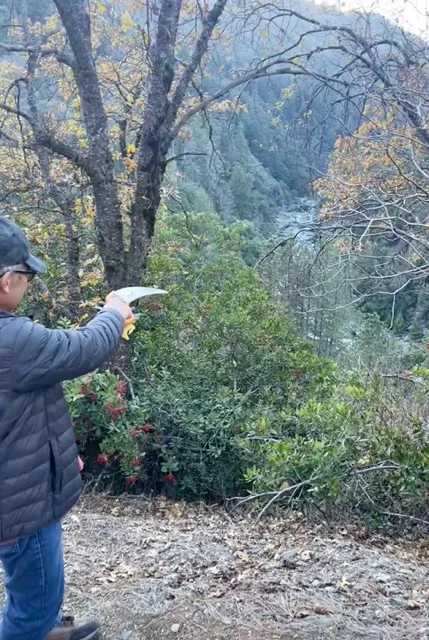
At Eldorado National Forest, we ended up near Slab Creek Reservoir, just past Placerville. Another year we went to Stanislaus National Forest and found fir trees just west of Yosemite National Park. Yet another year we went to an area that looked to be National Forest land, but was clearly part of a neighborhood, so that was a bust.

Make sure you know how to identify each tree

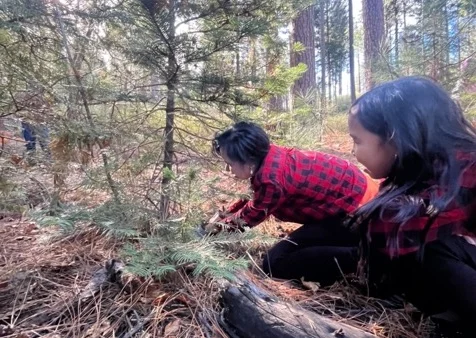
Pine tree leaves are like fireworks; fir tree leaves cluster together on a mini branch; whereas cedar trees have finger-like leaves that emanate like webbed feet. Keep some reference photos on your phone so that you can compare more easily.

In addition, be sure to temper your expectations; the trees you’ll be cutting will be much less bushy and full than what’s found at the store!

Bring the Right Tools

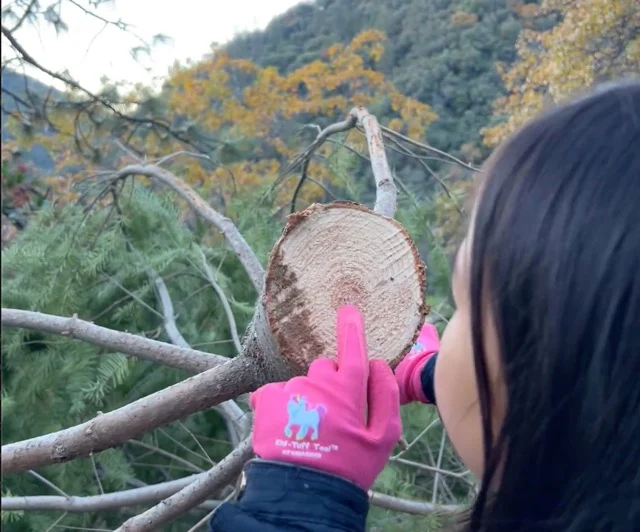
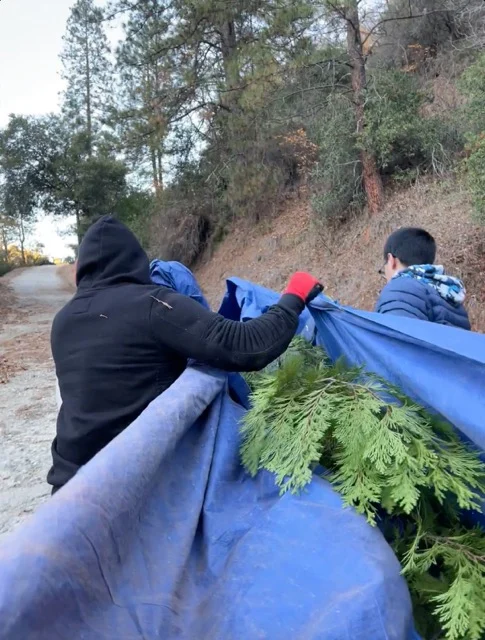
Recreation.gov recommends you bring a saw or axe, tarp, working gloves, and tape measure.

Don’t forget to bring your permit, water, snacks, and a downloaded or printed map of the area.

Start Early

Especially with the winter sun going down sooner, definitely try to get an early start and aim to finish well before sunset so that you don’t get stuck in the dark.

Due to scheduling conflicts (and Filipino time) one year we didn’t actually get on the road from the East Bay until about 10 a.m., and our second car didn’t arrive to our designated lunch spot until 1:30. That meant that once we finished lunch, we only had a few precious daylight hours to go on our hunt and get back to our cars. If you’re not familiar with the area, budget at least 3-5 hours before sundown to be safe.

Dress for the Occasion

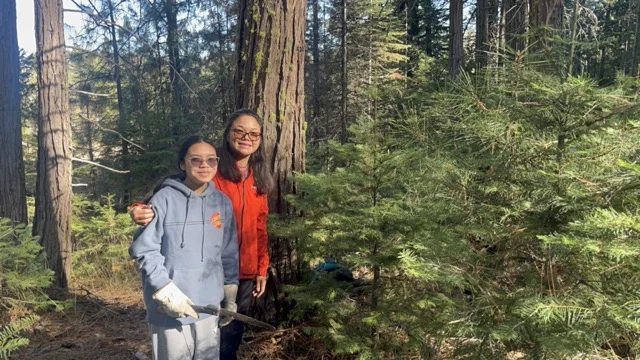
Acquiring your tree might involve getting down and dirty, so be sure to wear clothes and layers you don’t mind getting a little messy. Plus, it doesn’t hurt to put on some festive outfits and accessories! My kid and I loved wearing these matching Madewell flannels from ThredUp, parol star earrings from Pilipinx-Palestinian artist Mangoes at Midnight, and glowing holiday light necklaces. We also made sure to bundle up in layers and have our resuable pocket warmers from Native-owned Aurora Heat!

Enjoy nature and have fun!

This goes without saying, but enjoy being on this unique adventure in nature with your loved ones! Stop and smell the trees and crisp air, and enjoy making memories this winter.

Travel Mishaps

As I mentioned above, some of our tree-cutting adventures were a bust. For example, while an area on the map was designated as permissible for tree-cutting, we soon realized upon driving to the location in-person that it was in a neighborhood full of private roads and property!

On another occasion, we started our adventure in the late-afternoon, so we hurriedly tried to find a tree that could help us get home before sundown. Make sure to do your map research and give yourself plenty of time to find a tree!

oops!

Read on

Check out our children’s book recommendations that feature BIPOC voices to deepen our understanding of the experiences we share together at Bookshop.org.

Christmas Makes Me Think

An African American boy considers the meaning of giving and sharing and comes to understand the true spirit of Christmas.

If You Have Time...

Make a Day of It!

If you don’t already live nearby a National Forest, why not make a day or weekend out of it with these suggested itineraries?

Extras

Yosemite National Park

Just past the eastern border of Stanislaus National Forest, and you’ll arrive in Yosemite National Park, home to some of the most jaw-dropping sights in the world, especially in the magic of winter.

Apple Hill

Apple Hill is an area of Placerville that is home to numerous u-pick farms, wineries, restaurants, and more! On the western edge of Eldorado National Forest, it’s a great place to kick off your tree-hunting adventure.

Arnold

Arnold is a small mountain town near Stanislaus National Forest that offers families a home base for exploring the snowy offerings of nearby Bear Valley while staying outside of the skiing hub.

Final Thoughts

I’ve gotten a kick out of planning this weekend adventure every November for the last few years, and I’m excited to continue this new tradition with my family. Every time a car drives by with a scraggly tree on top, I wonder where the tree originated from and what kind of memories were made along the way. 

Have you tried cutting down your own Christmas tree from the forest? Tell us about your experience in the comments!

reflect

Angelica, BBA Co-Founder

Angelica (she/her) is a co-founder of Beautiful Brown Adventures. She was born and raised in Huchiun Ohlone territory (aka the East Bay Area), where she resides with her partner and their grade-schooler. She loves to spend her time sipping on boba and cortados (sometimes together), and eating pescetarian goodies at BIPOC-owned cafes and restaurants.
+ posts

Angelica (she/her) is a co-founder of Beautiful Brown Adventures. She was born and raised in Huchiun Ohlone territory (aka the East Bay Area), where she resides with her partner and their grade-schooler. She loves to spend her time sipping on boba and cortados (sometimes together), and eating pescetarian goodies at BIPOC-owned cafes and restaurants.

Leave a Reply

Your email address will not be published. Required fields are marked *